Billing Operations
Subscription commerce for physical products
Plan a physical-product subscription around a clear customer need, recurring promise, charges, deliveries, costs and a small-scale demand test.
A physical-product subscription supplies goods on a recurring schedule. It can spare customers a repeat purchase or offer something new to discover. The offer works only if product, timing, price and delivery promise still make sense after the first order.
Start with the reason to subscribe. Someone who regularly runs out of the same item may value replenishment; someone buying a curated box may value discovery. Those are different promises, even if both arrive monthly.
Choose the recurring promise
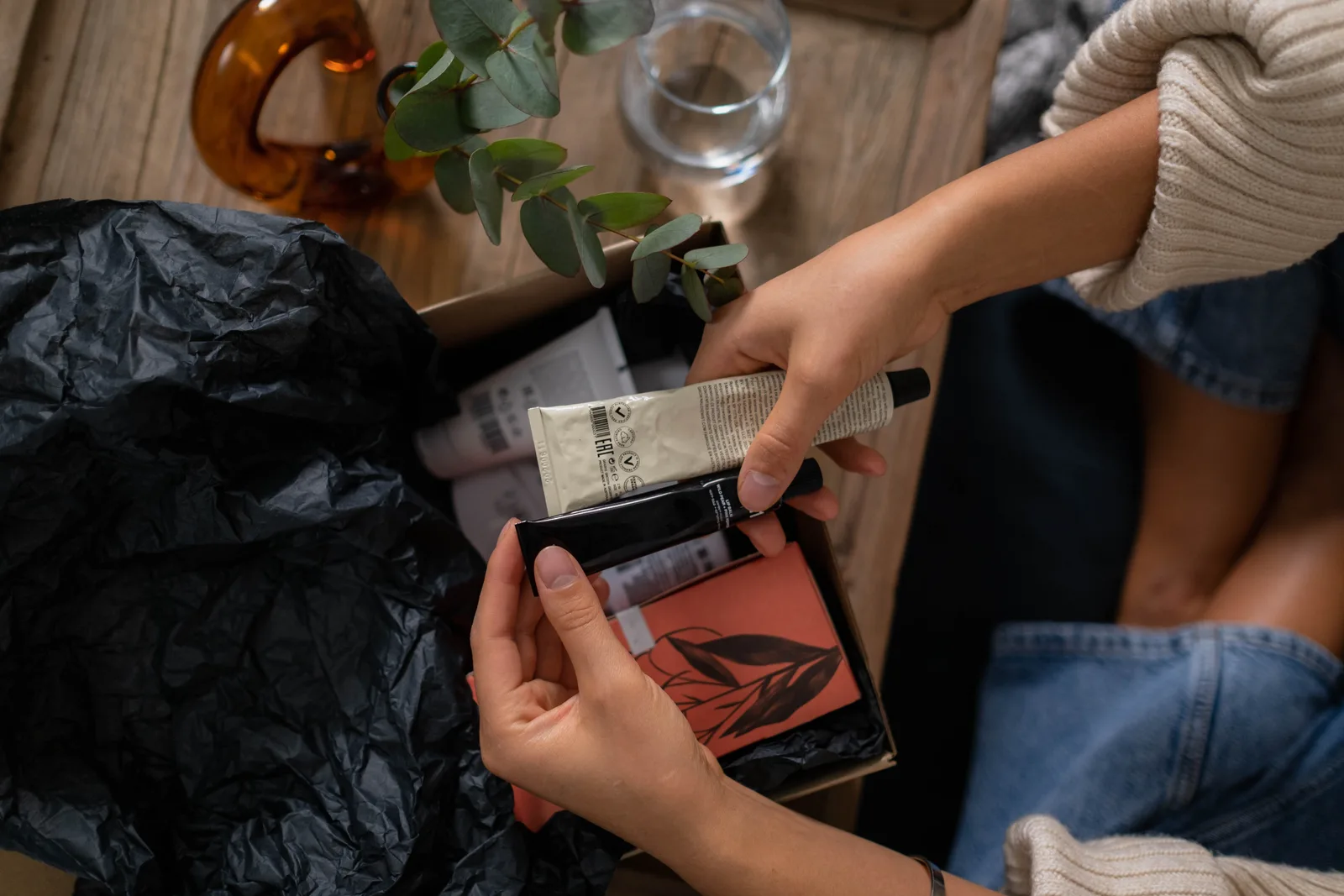
A replenishment plan repeats a known product or selection. Customers need to understand the quantity, interval and options for changing them. A curated box offers a changing selection, so define what remains predictable: the theme, product categories or selection rules. If there is no clear reason to receive another parcel, a one-off purchase may fit better.
Explain what happens without another decision from the customer. Will the same item arrive, will you choose on their behalf, or must they approve each delivery? Surprise should not obscure the basic value of a box.
Replenishment vs Curated Box Subscriptions: Key Differences
- Product Consistency
- High (same item each time)
- Variation
- Low – predictable selection
- Customer Decision Required
- Minimal – no need to choose each delivery
- Best For
- Essential household goods (e.g., toilet paper, pet food)
- Product Consistency
- Low – changing selections
- Variation
- High – based on theme or rules
- Customer Decision Required
- Moderate – may need approval or input
- Best For
- Gift boxes, lifestyle products, niche consumer goods
Check the product and schedule
A product bought repeatedly is not necessarily suited to a subscription. Ask when a customer needs more, how much they may still have at home and whether the product will remain suitable between deliveries. For a curated box, consider whether you can offer useful variation without sending unwanted stock.
Keep the first offer narrow. A small range and a few practical intervals are easier to explain and fulfil than many untested combinations. Ask potential customers about their use and buying habits, then test those answers against actual orders.
Validate the idea before committing
Describe the product and the problem it solves in one or two sentences. Identify the customers you are aiming to serve, what they want and what frustrates them about similar products. Comparing competitors can help clarify what your offer improves, rather than relying on the subscription format alone.
Ask potential customers for honest feedback through surveys or interviews, and keep a record of what you learn. A basic prototype can demonstrate the main idea without being perfect. Let potential customers try it, observe how they use it and ask what they like or would change.
Check production readiness
Before committing to a recurring offer, consider how you will produce enough of the product. Assess suppliers on price, quality, reliability, sustainability and delivery times. Decide whether to make it yourself, work with local manufacturers or have it made overseas; each choice affects how you can organise a dependable supply.
Check whether safety rules or standards apply to the product and whether you can meet them. Packaging is also part of production planning, not just the presentation of the parcel. Organising and costing supplies, manufacturing and packaging before launch can help reveal constraints that would make a recurring schedule difficult to maintain.
Separate charges from shipments
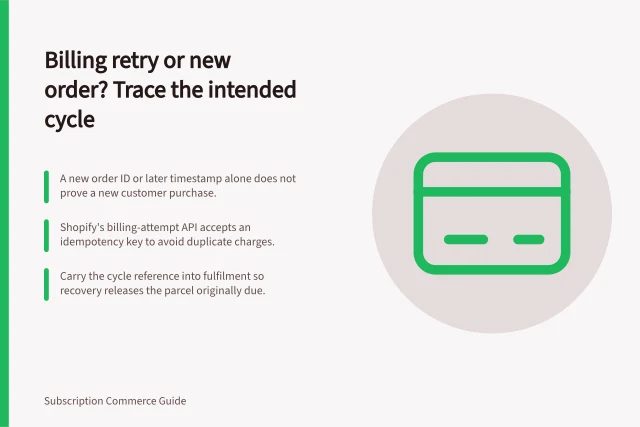
Decide whether customers pay for each delivery or pay in advance for a defined set of deliveries. An advance payment can leave later shipments due even when no new charge is due. Show the first charge, any later charge or renewal, planned shipments and change deadlines as separate events. A prepaid plan need not renew automatically.
Before taking payment, explain what recurs, the price or basis for future charges, delivery frequency and how customers can change or end the plan. Check that the sign-up wording matches the actual account and cancellation process, including its effect on the first order. In Australia, the ACCC has stressed clear communication about joining a subscription and avoiding unwanted charges.
Pros and Cons of Prepaid vs Pay-Per-Delivery Subscription Models
- Prepaid Plan – Pros
- Predictable cash flow, discounts for commitment, easier budgeting for customers.
- Prepaid Plan – Cons
- Risk of unused deliveries, harder to cancel mid-term, potential for unwanted renewals.
- Pay-Per-Delivery – Pros
- Greater flexibility, no upfront cost, easier to pause or cancel.
- Pay-Per-Delivery – Cons
- Higher risk of missed payments, less customer retention, inconsistent revenue.
Cost each recurring order
For each shipment, include the product, packaging, packing work, delivery, payment costs and likely service costs. Compare the amount received with the cost of supplying the order. A curated box may add sourcing and packing work; a larger, less frequent parcel may change delivery cost per item.
Repeat the calculation for each format and interval you offer. The first order alone cannot show whether the continuing offer is workable.
Design the operating cycle
Work back from the promised dispatch date. Set a customer-change cut-off, a billing point, time to resolve payment or stock problems, and a date when the final order reaches packing. Track what each subscriber is due, including skips and changes. For prepaid plans, track remaining deliveries separately from any future renewal charge.
Show customers the next relevant order and what each available action changes. A skip, pause, cancellation and address update can affect different orders. Check the behaviour of your software and fulfilment process before promising when a change takes effect.
Test before expanding
Start with a defined customer group, one clear offer and an order volume you can fulfil. Observe who accepts the recurring terms, whether the quantity and timing suit them, what changes they request and what each shipment costs. An initial sign-up does not show whether the next delivery will be welcome.
Review the offer across repeat cycles. Track whether customers continue after the first delivery and whether you can meet the promised schedule. Use those results to decide if the offer is ready for a broader launch.
Use early feedback to refine the offer
Sort feedback by whether it concerns product use, the recurring format or the delivery promise. Prototype observations can identify product problems, while order experience can reveal mismatches in quantity or timing. Decide which part of the offer needs to change, then check that change with customers before widening the launch.
In this guide
- Replenishment subscriptions versus curated boxesCompare replenishment and curated-box subscriptions by customer promise, product choice, timing and the work needed for each delivery.
- Choosing products customers need repeatedlyScreen products for repeat need, usable quantity, supply and delivery fit before offering automatic recurring shipments.
- Testing subscription demand before building a full operationRun a limited subscription pilot with clear recurring terms, paid orders, repeat-cycle feedback and a decision rule before scaling.